
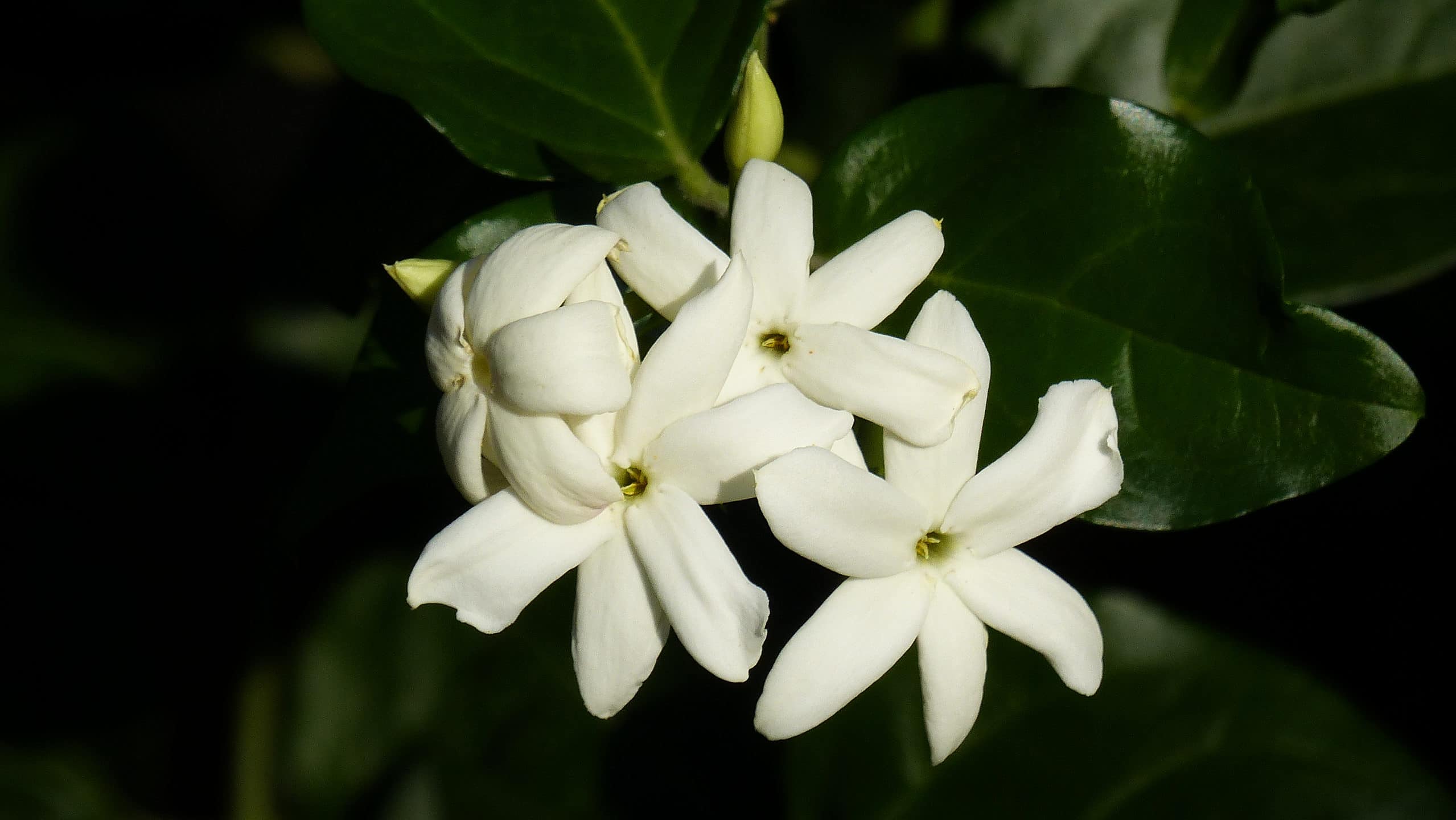
The sampaguita, national flower of the Philippines
“…That which we call a rose by any other name would smell as sweet.” Or in a Filipino version, the sampaguita. Shakespeare’s famous line from Romeo and Juliet captures their lament over their family feud. One could interpret this as a rejection of the past pre-determining one’s destiny and the absurdity of giving such attention to labels. Pride in one’s surname can seem a little silly or overstated, given that it’s just one piece of the ancestral pie. Save for cases of pedigree collapse, or the intricacies of family law and illegitimacy, surnames in many Western cultures are determined by simply tracing continuously through a male line of a particular family.
Everybody’s experience with names is different. For some, a family lineage to admire (or disassociate from), a clear signal of geographic origin, or nothing at all. Most would agree a surname, title, or label is far less important than a person’s true character or qualities. However, for genealogists… posterity is everything. Names tie together the records of life so valuable to genealogists: census records, church registers, taxes, ship manifests, gravestones, etc.
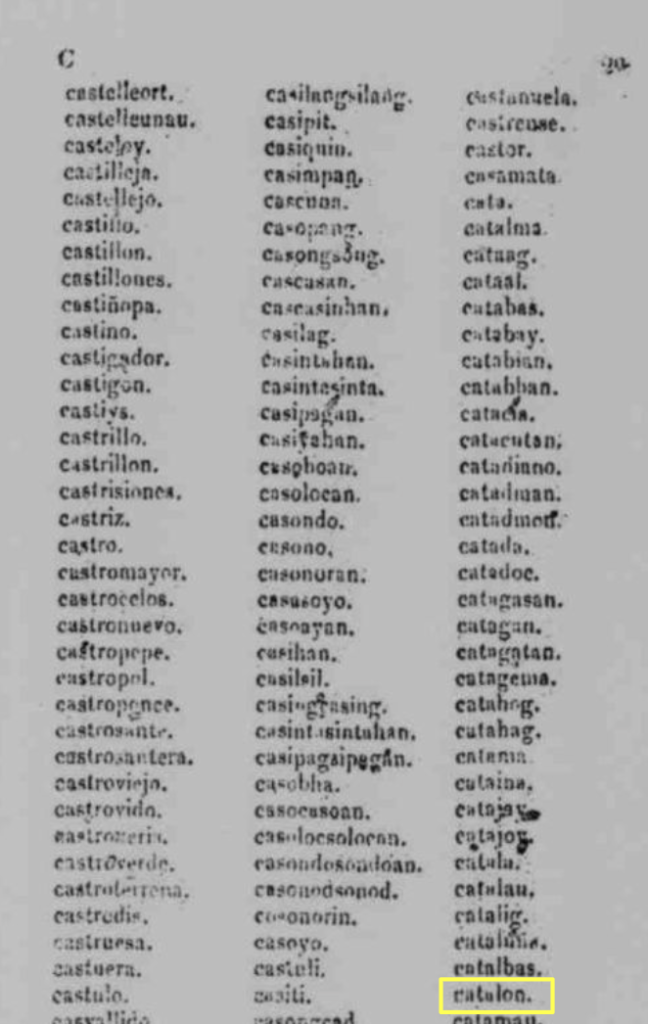
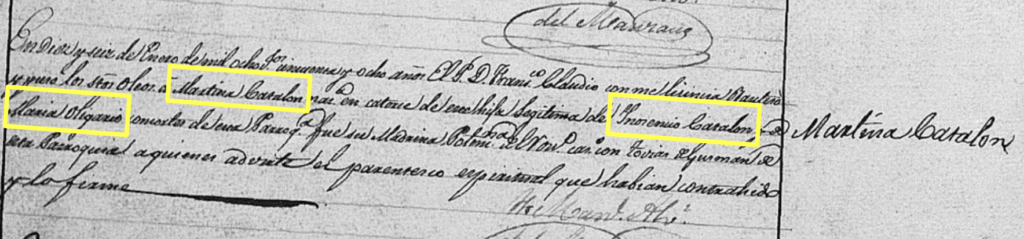
Names have also served as coercive tools of the state. James C. Scott put forward that the modern state imposed standardized surnames on their subjects for practical state-building purposes. In the Philippines, a long colonial past reflects this well. Collecting taxes, enforcing military conscription, and preventing consanguinity (cousin marriage) were all priorities for Governor-General Narciso Claveria. Many families had no surname, had used a surname determined to be too common (de la Cruz, Santos, Bautista), or had some sort of foreign surname (perhaps families with Chinese or Spanish ancestors). In 1849, by decree, a directory of new Spanish and indigenous surnames, the Catálogo Alfabético de Apellidos, was distributed to towns across the Philippines to be implemented by local civil, school, and church officials. My own surname, Catalon, was a product of this decree. I find myself thinking of how the name Julien de la Cruz would ring.
This page from the Catologo is where my family’s surname came from.
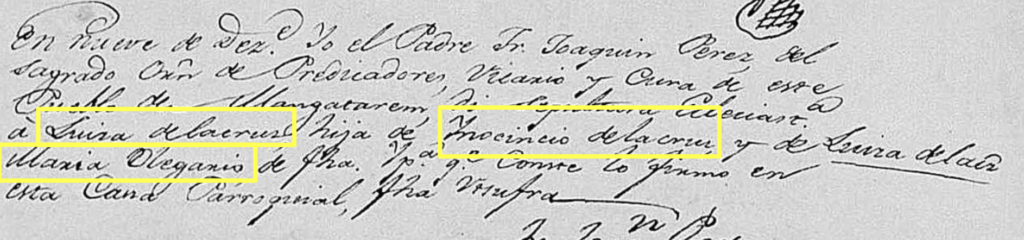
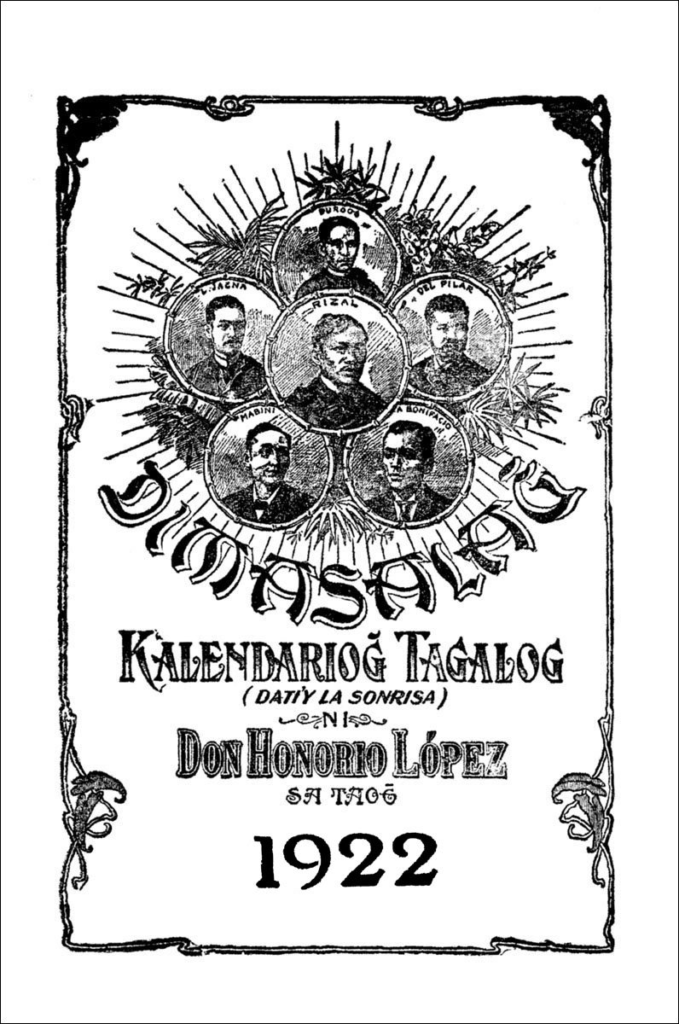
In the Catholic Spanish Philippines, babies were routinely named after the Saint whose feast day coincided with their birth. My grandfather, Elpidio, born on September 2, was named after Saint Elpidius the Cappadocian. My great-grandmother, Eustaquia, born on September 20, was named after Saint Eustace. My great-great grandfather, Cornelio, born on September 16, was named after Pope Saint Cornelius… and so on. Calendars such as the one shown on the right would often be consulted by pious families before they gave their child a name.
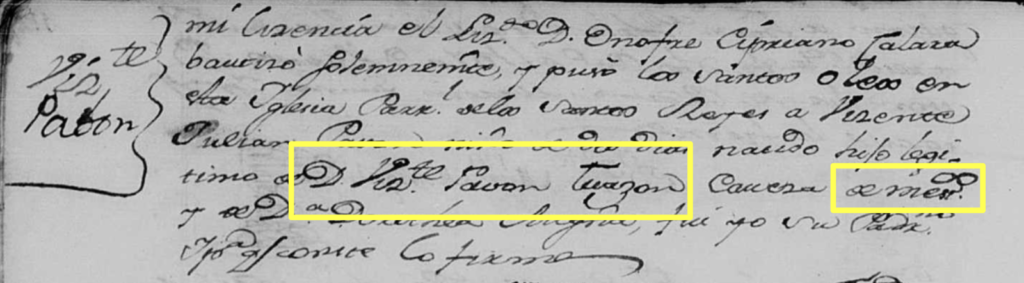
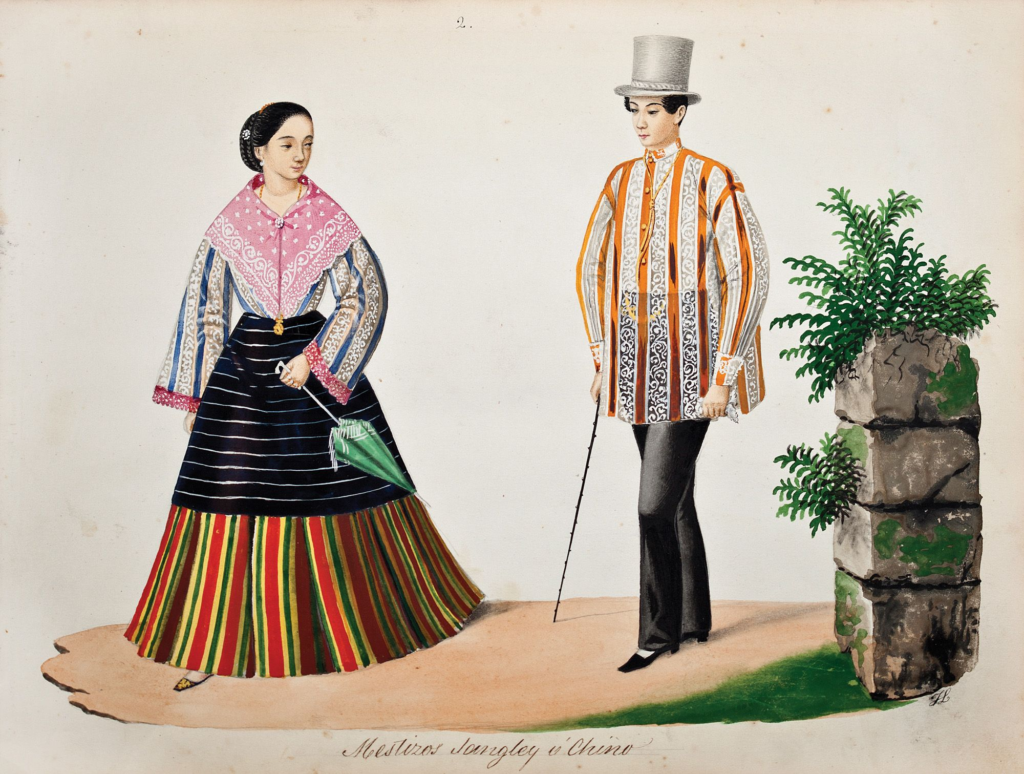
Facing social stigma, extra taxation, and questions of loyalty, early Chinese immigrants navigated assimilation with their names. Many chose cultural immersion and adopted the surnames of their spouses. Jose Rizal’s Chinese ancestor, Domingo Lam-co, adopted the surname Mercado. Many immigrants created uniquely Chinese-Filipino surnames that exist nowhere else. Surnames such as Tuason (my mother’s side), Lacson, and Cojuangco often reflected the use of honorifics, birth order, or status into one new Hispanicized surname. I have dreams of one day seeing my Chinese ancestors’ genealogy book, the zupu, but it is often hard to trace back that far for many descendants whose ancestors came from China hundreds of years earlier.
The nationalistic fervor of the Philippine Revolution also struck Filipino naming customs. Jose Rizal railed for the use of “k” and “w,” which were more natural to Tagalog than “c” or “qu” used by the Spanish. These effects can even be seen in maps and place names across the Philippines. Baliuag is used interchangeably with Baliwag and Mariquina evolved into Marikina. Family members who once used the surname “Liuag” switched over to “Liwag” some time during the 20th century. Shifting preferences in orthography can change the same person’s name, subtly, over the years. Ysmael into Ismael, Ybañez to Ibanez, and the dropping of the tilde from the ñ are all changes that occurred during this period. As Filipinos were recruited to the sugar fields of Hawaii and the orchards of California, Macario become Mack and José became Joe. And of course, the introduction of the middle name. The Spanish surname convention of the father’s name, the article “y,” and the mother’s name was dropped in favor of the American convention of using the mother’s name as the “middle name.” For example, Carlos Romulo y Pena was now Carlos Pena Romulo.
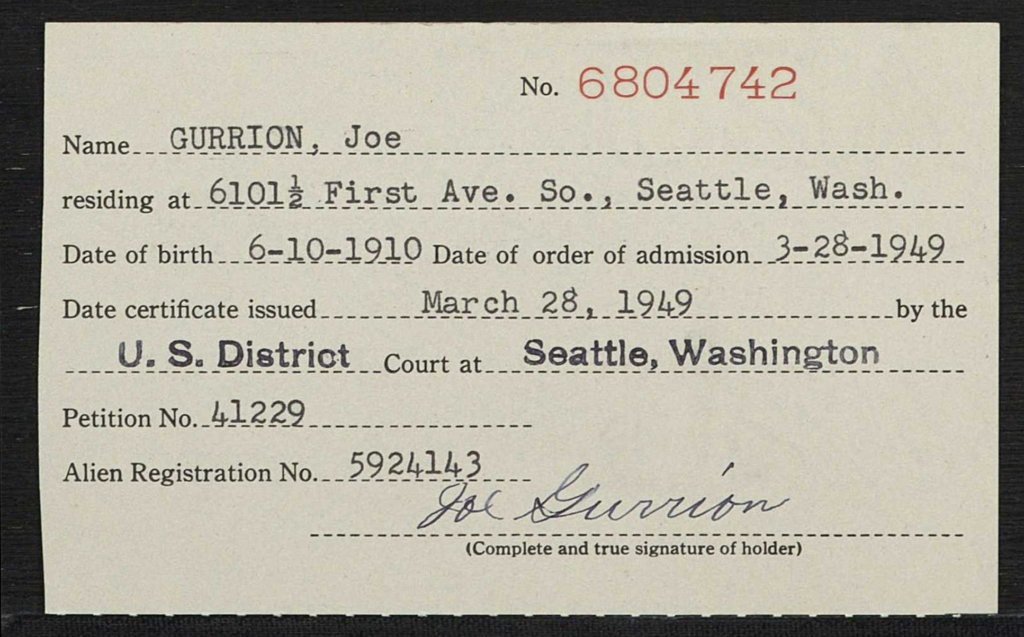
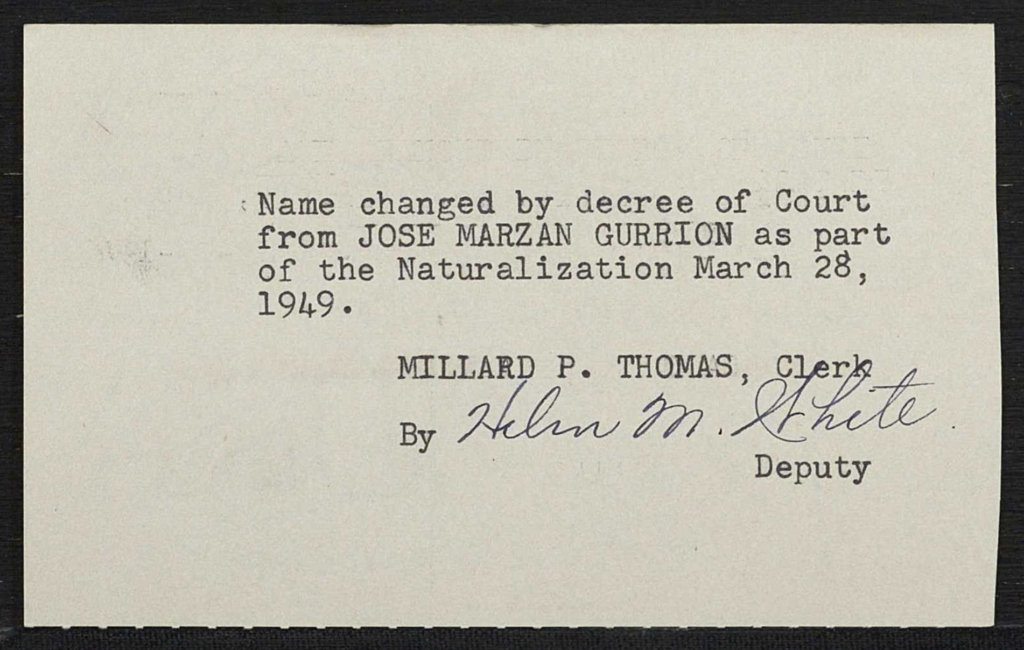
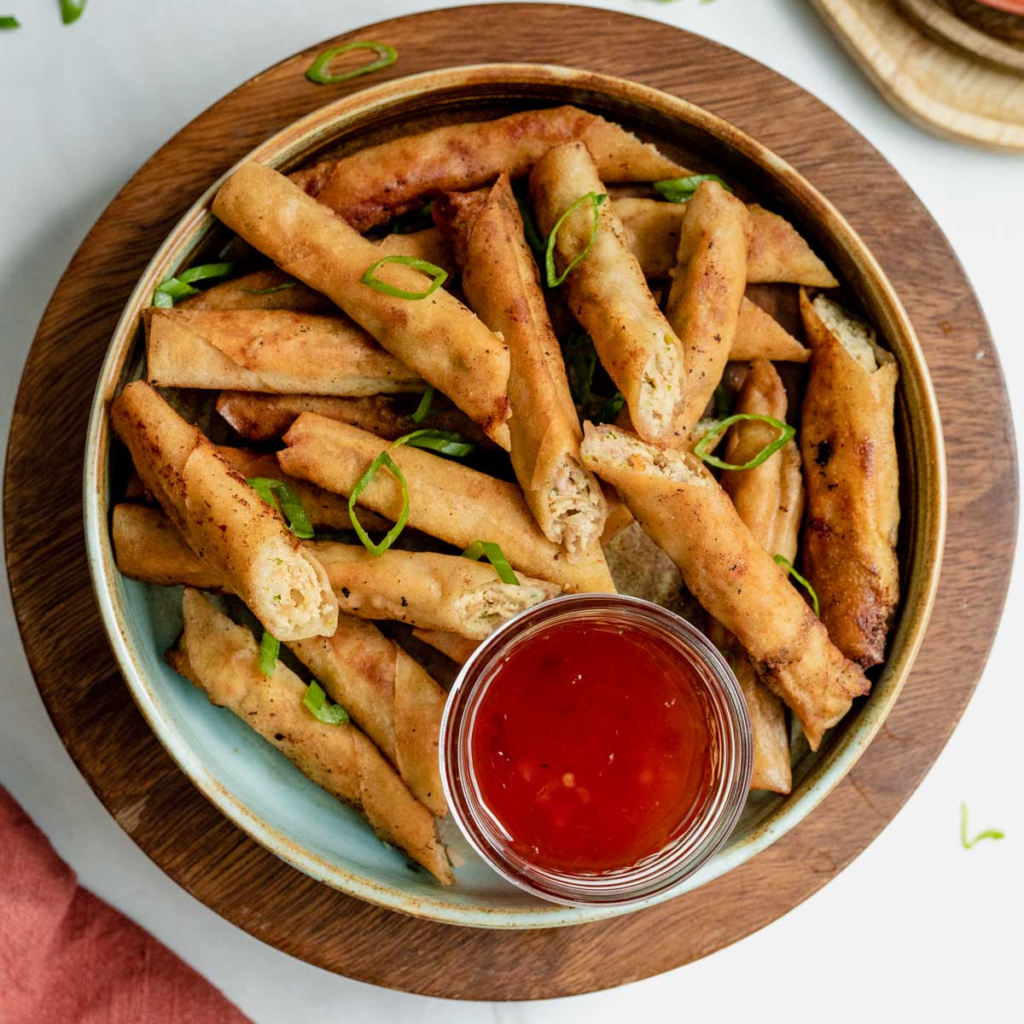
Ultimately, the Filipino name is a micro-history of the nation. Part indigenous, colonial decree, immigrant ambition, nationalism, Americanization, and so much more. For those of us searching for where we came from, a name can tell us a deeply historical and spiritual story. So, what does the Filipino name smell like? Probably lumpia.

Leave a Reply